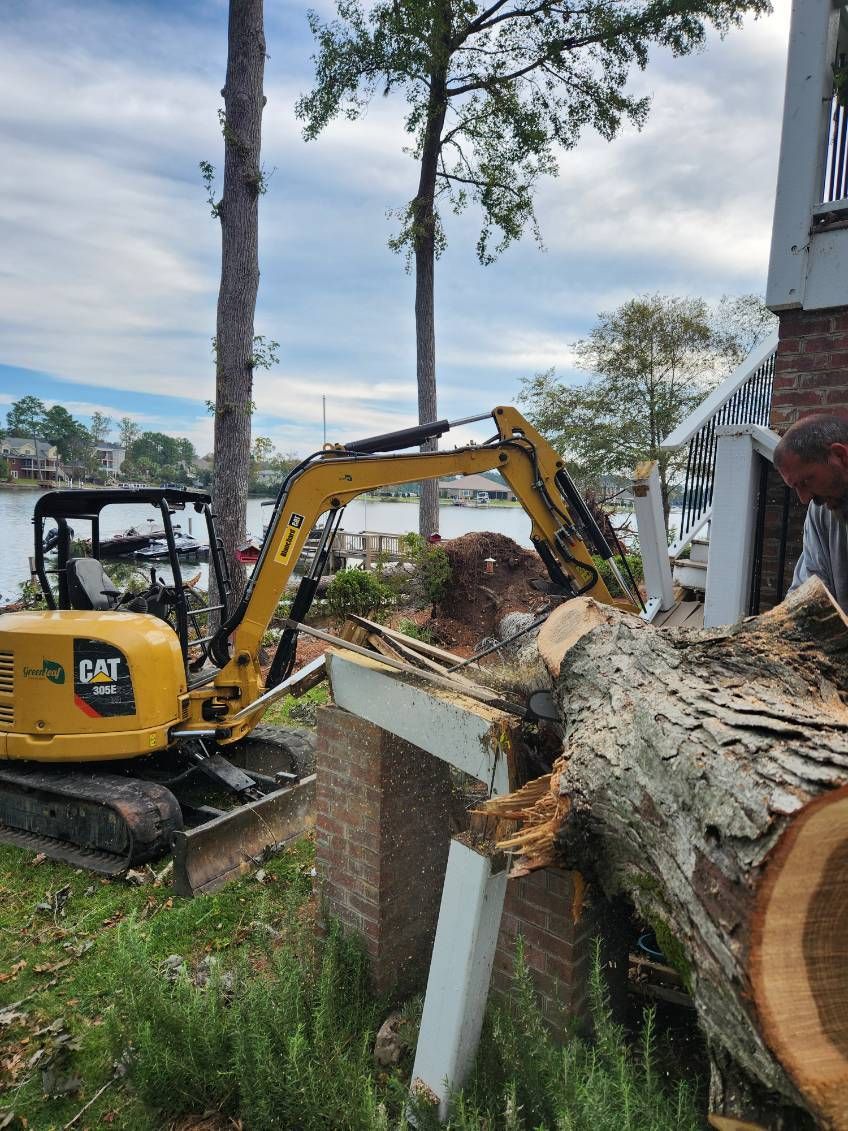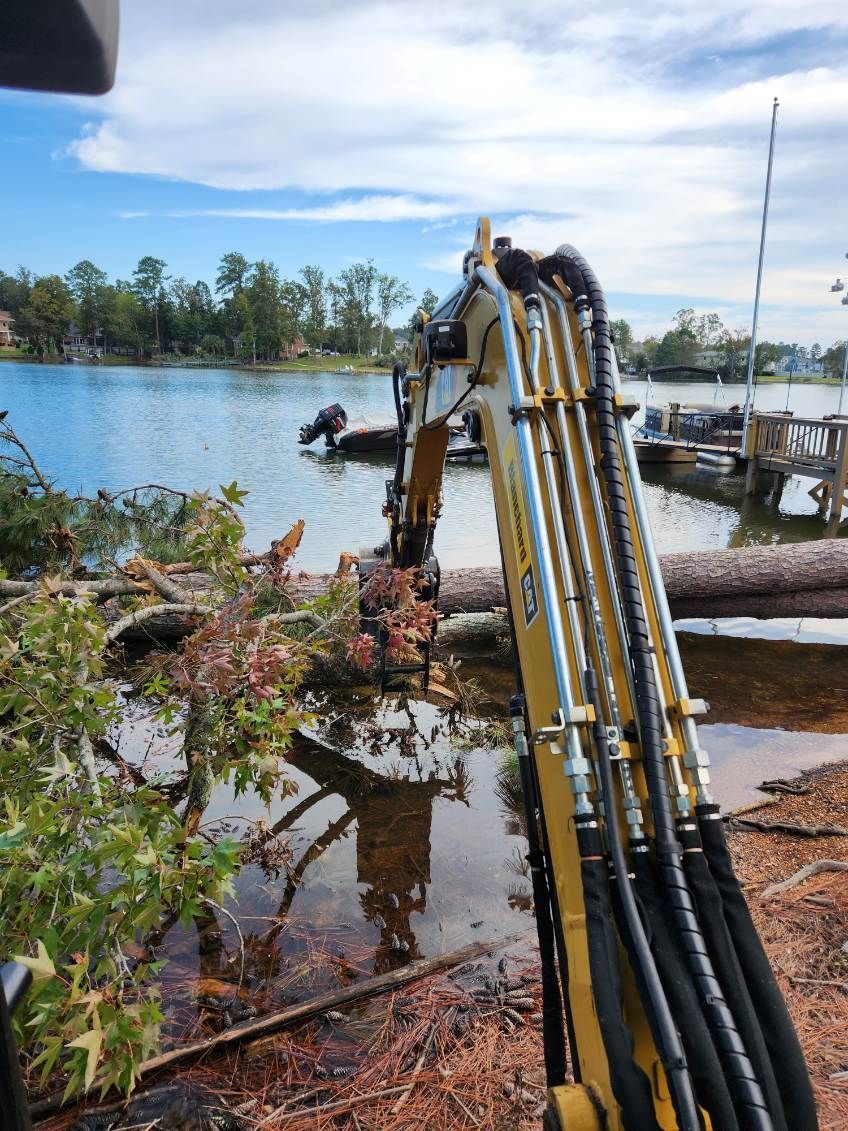
Storm Damage Tree Removal
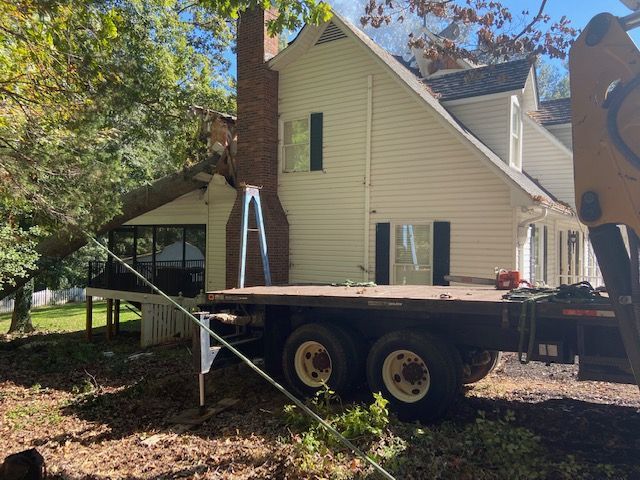
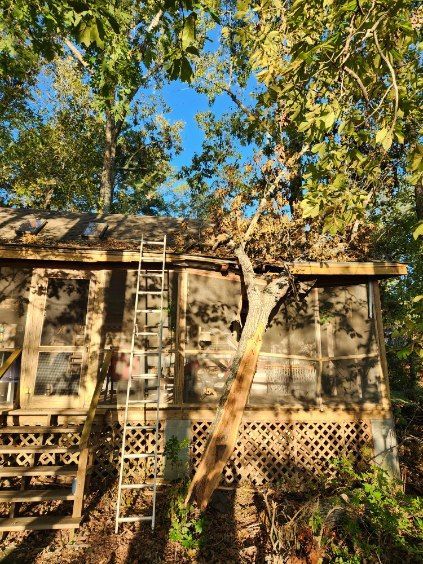
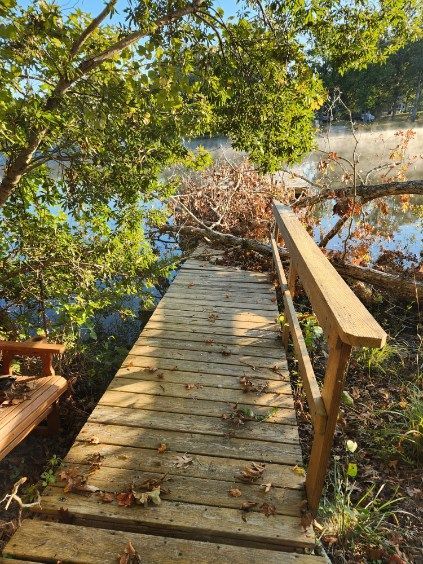
Storm-damaged trees can remain dangerous even after the weather has passed. A tree may still be standing while its trunk, branches, or root system have been weakened. Broken limbs can also remain suspended in the canopy and fall later without warning.
Green Leaf Tree Removal provides storm damage tree removal for trees affected by:
- High winds
- Heavy rain
- Lightning strikes
- Saturated ground
- Torn or split branches
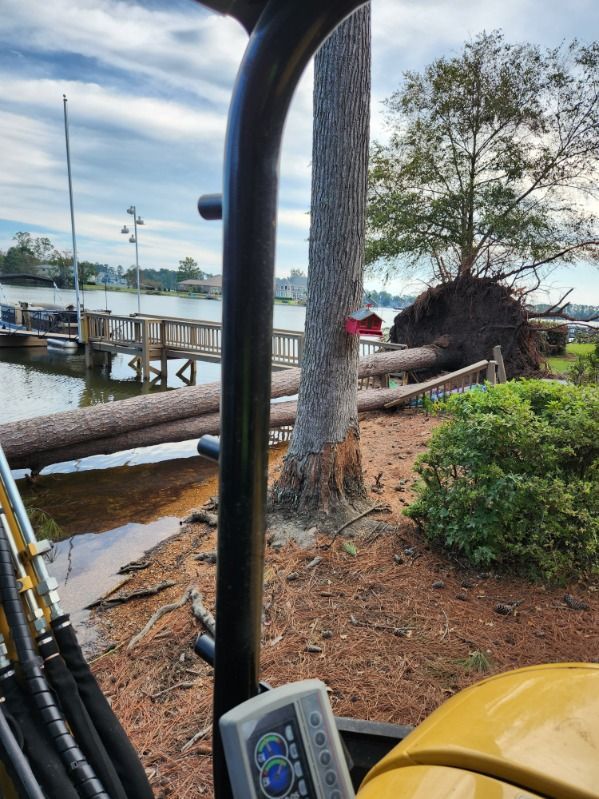
- Uprooted roots
- Broken trunks
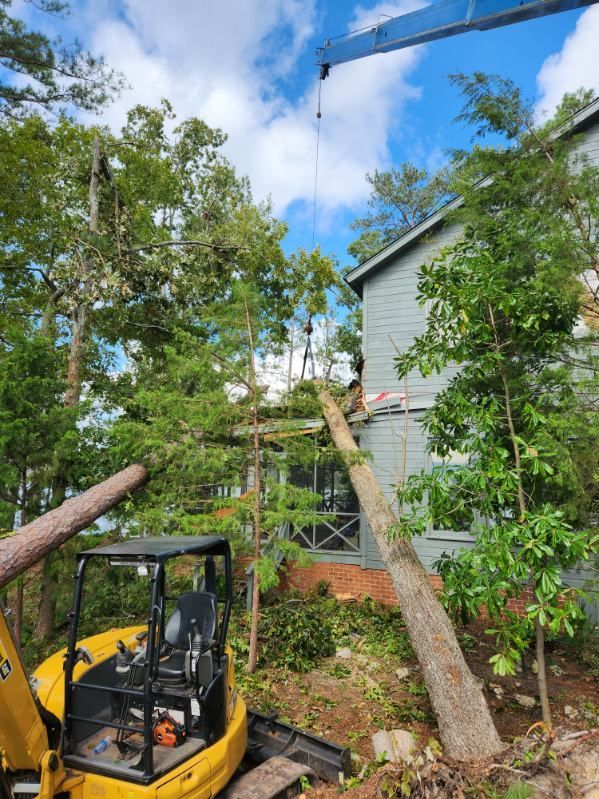
- Fallen neighboring trees
- Severe thunderstorms
- Sudden weather events
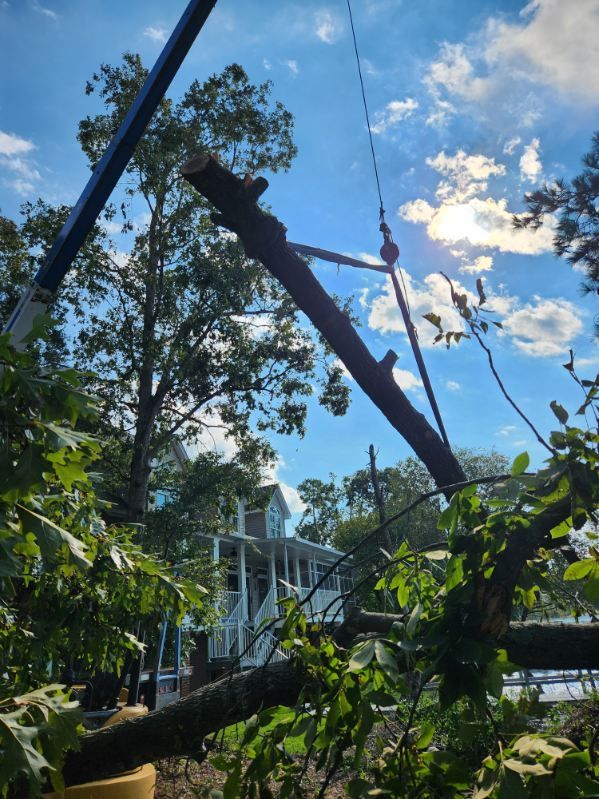
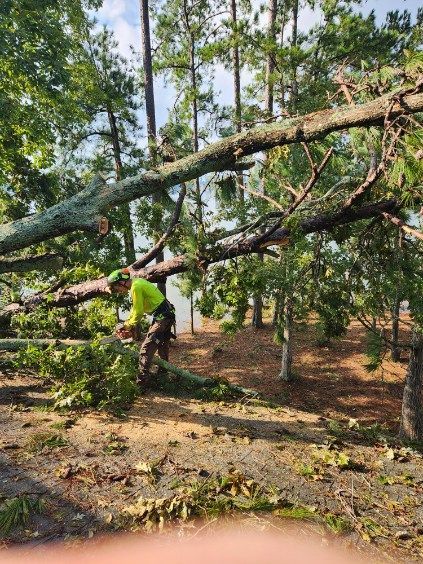
Our team evaluates the tree, surrounding structures, access points, and visible damage before determining the safest removal plan.
Storm Damage Tree Removal in Chapin, SC
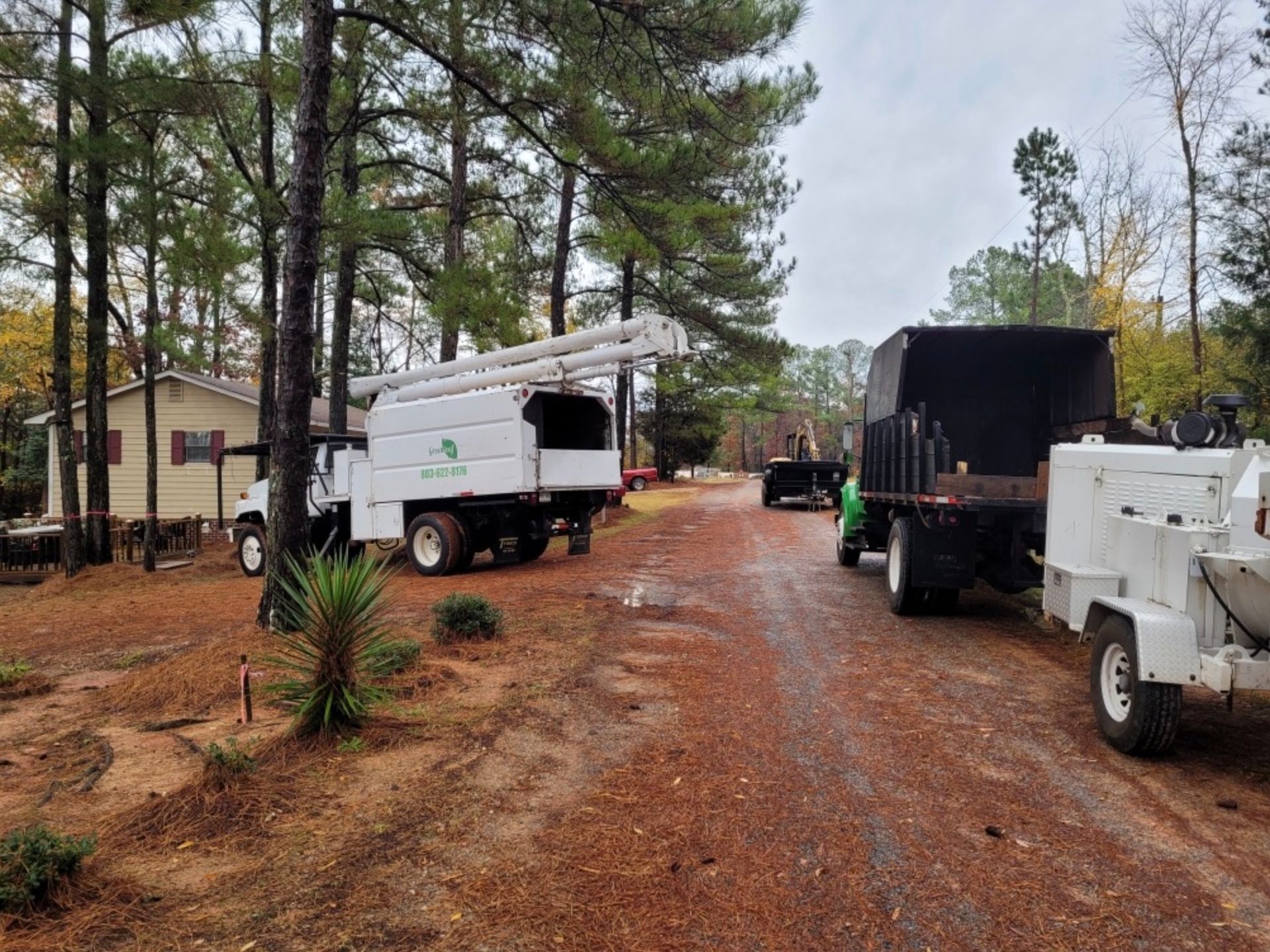
Storm-Damaged Tree Assessment
Hazardous Limb and Branch Removal
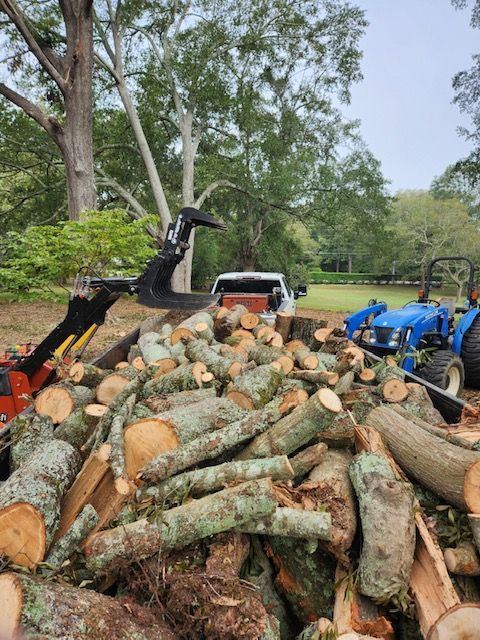
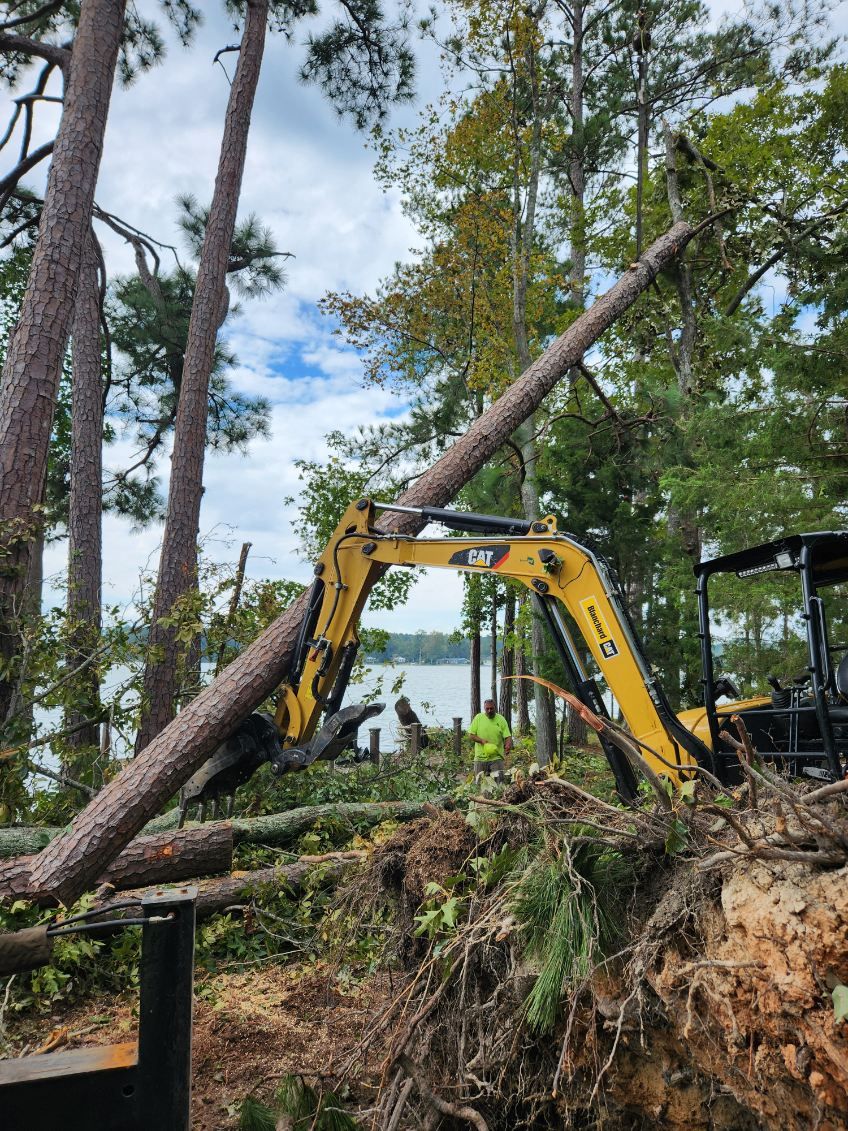
Storm Debris Cleanup and Hauling
Not every damaged tree needs to be removed. In some cases, selective trimming may be enough to remove broken limbs and preserve the remaining tree. In other situations, the trunk, canopy, or root system may be too compromised for the tree to remain safely in place.
Large branches can break during storms without fully separating from the tree. These hanging or partially attached limbs may shift suddenly and can be difficult to see from the ground.
Signs of hazardous storm-damaged limbs include:
- Fresh cracks near the trunk
- Split branches
- Hanging limbs
- Branches caught in nearby trees
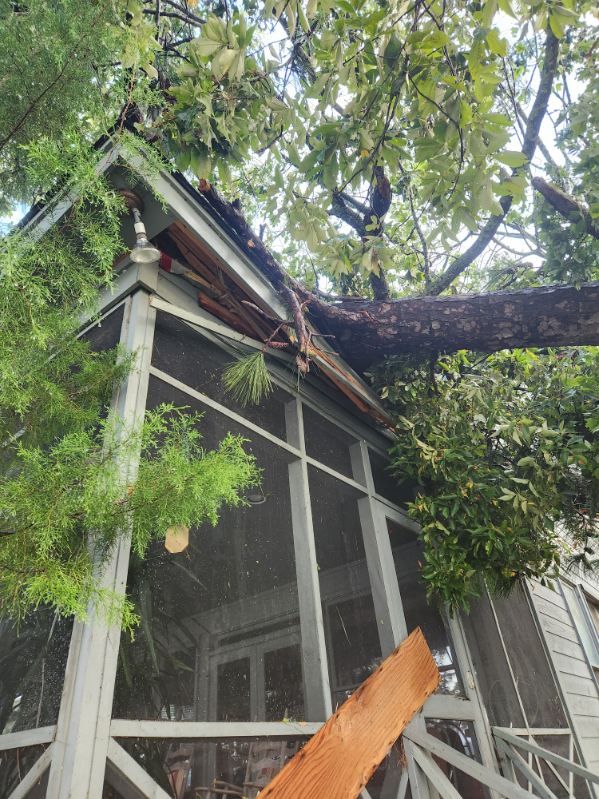
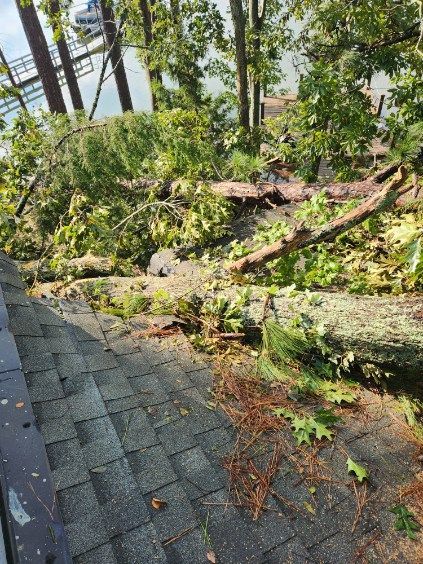
- Limbs resting on a roof or structure
- Large branches hanging lower than usual
- Broken branches supported by other limbs
- Visible twisting or tearing in the wood
Green Leaf Tree Removal provides hazardous limb removal to help address unstable branches before they fall and create additional damage.
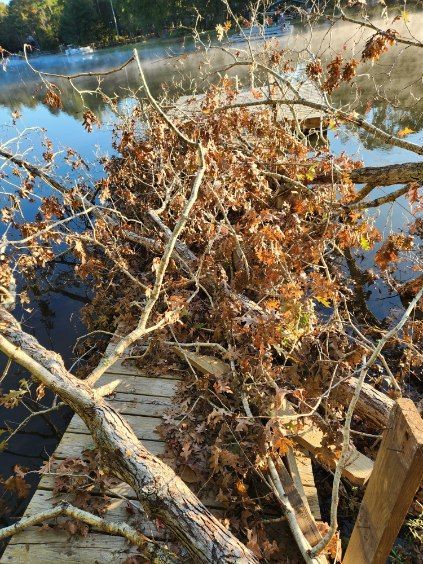
Storm damage often leaves more than one fallen branch. Properties may be covered with brush, logs, leaves, broken vegetation, and tree sections that are too large for standard yard waste pickup. Our crew can collect, load, and haul away approved storm debris so your property is cleaner, safer, and easier to access.
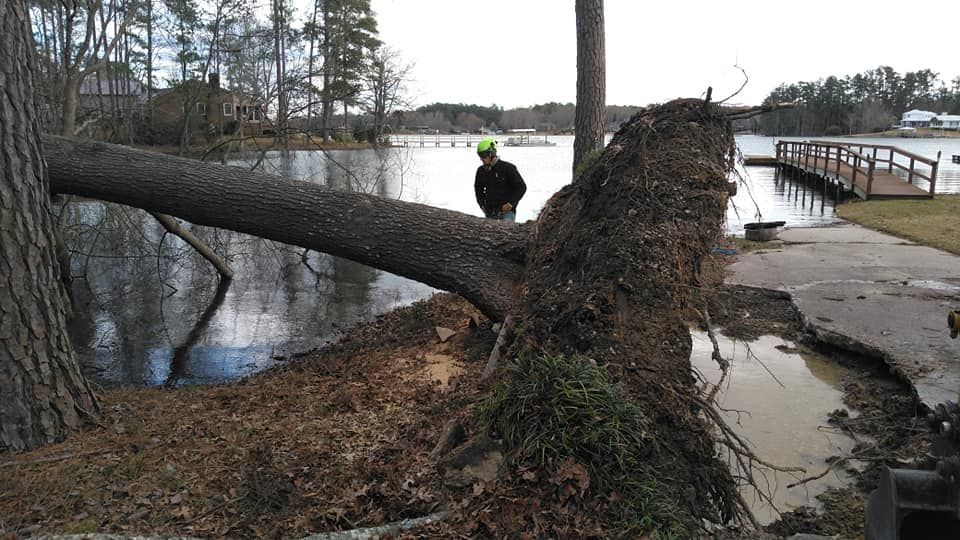
Storm damage tree removal service is available 24/7 and is designed to handle urgent situations that require immediate attention. Storm debris can disrupt business operations by blocking entrances, parking areas, walkways, loading areas, and service routes. Damaged trees can also create hazards for customers, tenants, employees, and vendors.
We provide commercial storm cleanup for:
- Office properties
- Retail locations
- Rental communities
- Warehouses
- Construction sites
- Commercial landscapes
- Property management companies
- Outdoor storage areas
- Vacant lots
Our team can remove fallen trees, broken limbs, brush, and storm debris to help restore access and improve property safety.
If your property has been damaged by a fallen tree, your homeowner's insurance policy may cover the cost of the removal and repairs. Storm damage tree removal service can work with your insurance company to ensure that the process is as smooth and efficient as possible.
Storm Damage Cleanup for Commercial Properties
Insurance Claims
Fallen Tree Removal Near You
Trees are a beautiful addition to any property, but they can also pose a risk to people and structures when they become damaged, diseased, or unstable. Recognizing the signs that a tree is about to fall and needs to be removed is crucial for maintaining the safety of your property and the people around you. Here are some signs that you should look out for:
- Leaning or tilting tree: If you notice that a tree is leaning or tilting, it may be a sign that it is structurally unsound and at risk of falling. The degree of tilt will determine the severity of the situation, but any noticeable lean should be a cause for concern.
- Trunk damage: Damage to the trunk of a tree can also be a sign that it is unstable and at risk of falling. Cracks, splits, and hollow areas are all indicators of potential structural issues that require attention.
- Dead branches: Dead or dying branches on a tree can fall at any time, especially during severe weather conditions, such as high winds or heavy snow. Removing dead branches is a preventative measure that can help protect your property and those around you.
- Roots and soil issues: Roots and soil problems can cause a tree to become unstable and fall. Signs of root problems include exposed roots, heaving soil, and decay at the base of the tree. Soil problems can cause the ground around the tree to sink, which can destabilize the root system and cause the tree to fall.
If you notice any of these signs, it is important to call for fallen tree removal services as soon as possible to assess the situation and provide the appropriate tree care. Here are some things to keep in mind about fallen tree removal services:
- Safety is the priority: Fallen tree removal services prioritize safety when removing trees. They will take steps to ensure that the area is clear of people and property and use specialized equipment and techniques to remove the tree safely and efficiently.
- Expertise and experience: Removing a fallen tree is a complex and potentially dangerous process that requires expertise and experience. Fallen tree removal services have trained professionals who understand the best practices for tree removal and have the necessary equipment to get the job done safely and efficiently.
- Cleanup and removal: Fallen tree removal services will also clean up the area after the tree has been removed. This includes removing debris and any remaining parts of the tree, such as the stump, to ensure that the area is safe and accessible.
In conclusion, recognizing the signs that a tree is about to fall and needs to be removed is crucial for maintaining the safety of your property and the people around you. If you notice any of these signs, it is important to call for fallen tree removal services as soon as possible to assess the situation and provide the appropriate tree care.
Remember, prevention is always better than a cure, so make sure to schedule regular tree care services to prevent emergencies from happening in the first place.